
Why You Have Lower Back Pain: Top 10 Causes and Solutions
Lower Back Pain | Sciatica Treatment | Neck Pain
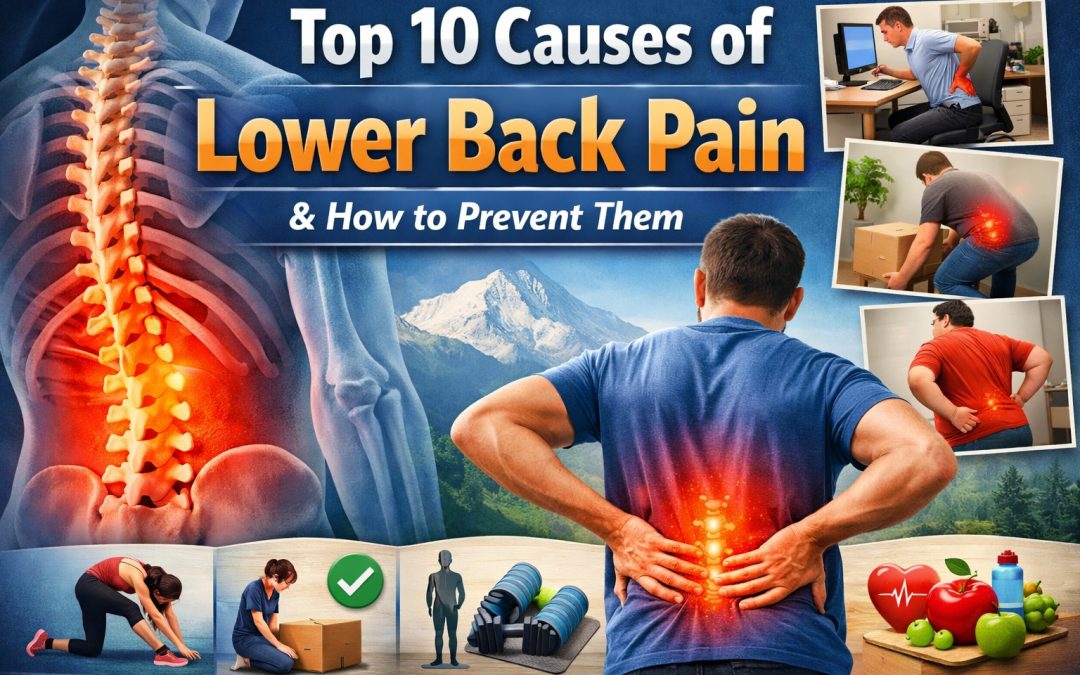
Lower back pain is a widespread health concern, affecting millions of adults worldwide. Studies suggest that nearly 80% of people experience some form of back pain during their lifetime. While occasional discomfort may be minor, chronic lower back pain can severely limit mobility, reduce productivity, and impact your quality of life. Discover the top 10 causes of lower back pain and practical tips to prevent them, improve posture, mobility, and long-term spine health.
Understanding lower back pain causes and implementing strategies to prevent back pain can help you maintain an active, pain-free lifestyle. At Spine & Injury Associates, our team of medical doctors, orthopedic surgeons, neurosurgeons, and chiropractors provides expert back pain treatment Florida with personalized care designed to address the root causes of pain.
In this comprehensive guide, we’ll explore the top 10 causes of lower back pain, how they develop, the risk factors, prevention strategies, and available treatments.
1. Muscle Strain and Ligament Sprain
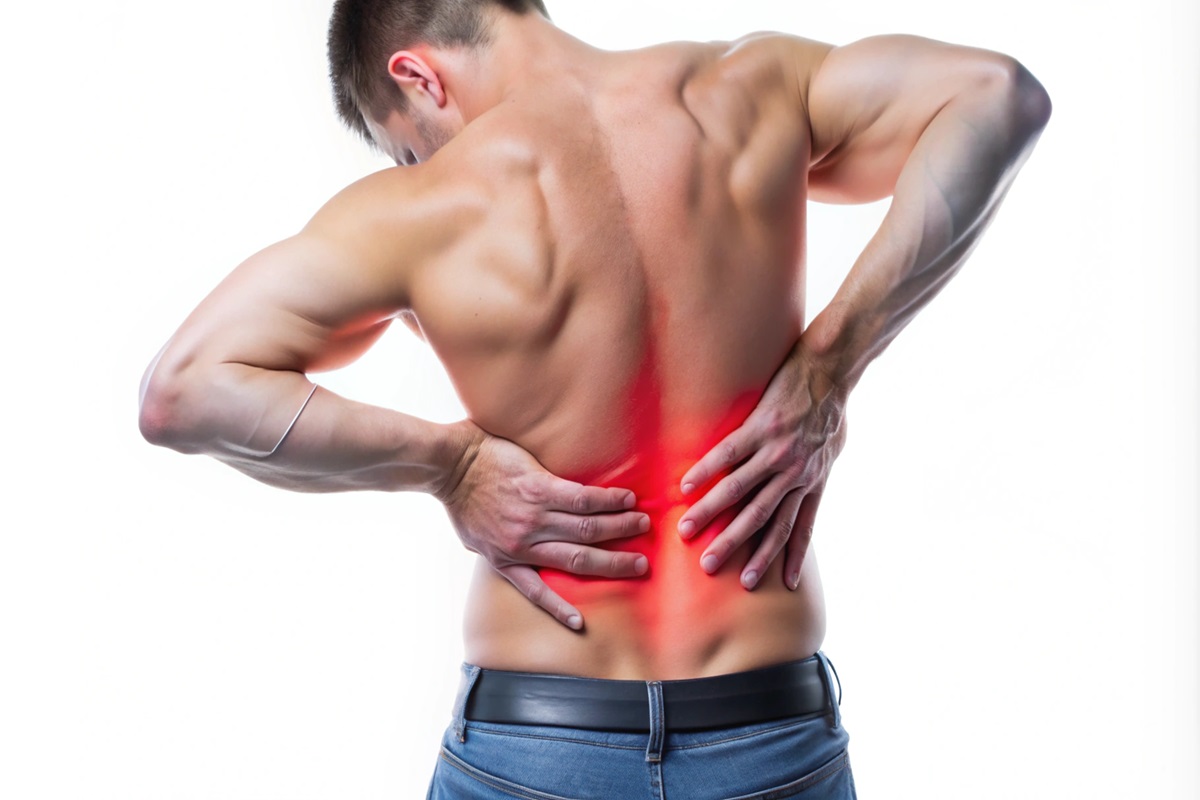
One of the most common lower back pain causes is muscle strain or ligament sprain. This often occurs due to heavy lifting, sudden movements, or poor posture. The muscles and ligaments in the lower back can become overstretched, leading to inflammation, stiffness, and pain.
Symptoms of muscle strain or ligament sprain include:
-
Sudden, sharp pain in the lower back
-
Muscle spasms or tightness
-
Pain that worsens with movement
Prevention tips:
-
Maintain proper posture while sitting or lifting
-
Use ergonomic chairs and supportive mattresses
-
Stretch and strengthen your back muscles regularly
2. Herniated or Bulging Disc
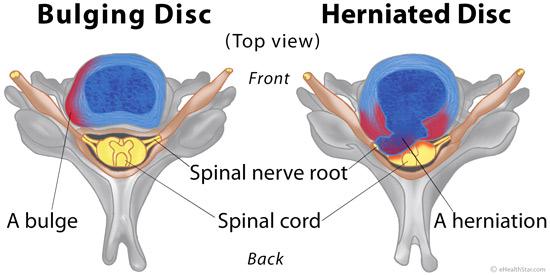
Discs are the soft cushions between your vertebrae that absorb shock. Sometimes, these discs can herniate or bulge, putting pressure on nearby nerves. This condition is a leading cause of sciatica, where pain radiates down the legs.
Common symptoms of a herniated disc include:
-
Pain in the lower back and buttocks
-
Tingling or numbness in the legs
-
Weakness in the legs or feet
Treatment options:
-
Physical therapy to strengthen the spine
-
Anti-inflammatory medications
-
In severe cases, surgical interventions
3. Degenerative Disc Disease (DDD)
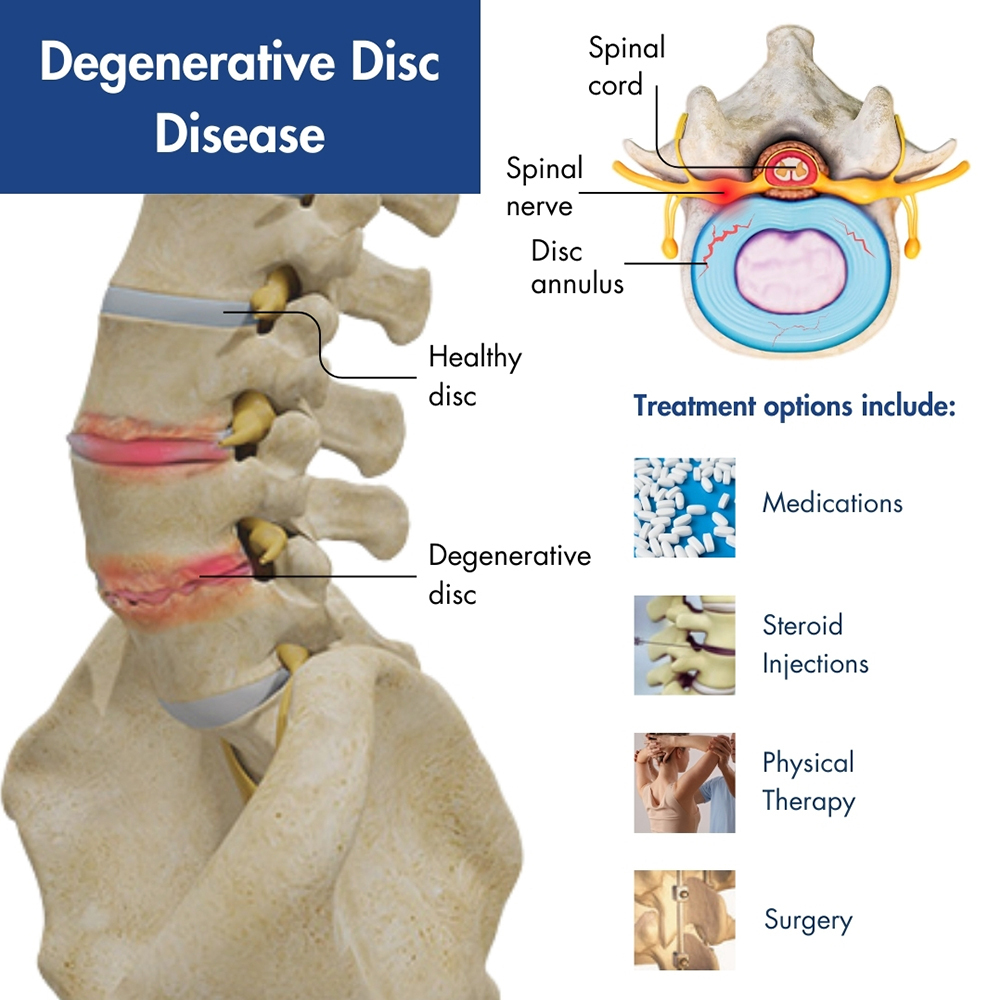
With age, the discs in your spine can naturally degenerate, losing flexibility and shock absorption. Degenerative disc disease (DDD) can lead to chronic lower back pain and stiffness.
Signs of degenerative disc disease:
-
Chronic, recurring lower back pain
-
Pain that worsens after sitting or standing for long periods
-
Occasional numbness or tingling in the legs
Management strategies:
-
Regular low-impact exercise
-
Physical therapy and stretching
-
Pain management techniques, including medication or injections
4. Spinal Stenosis
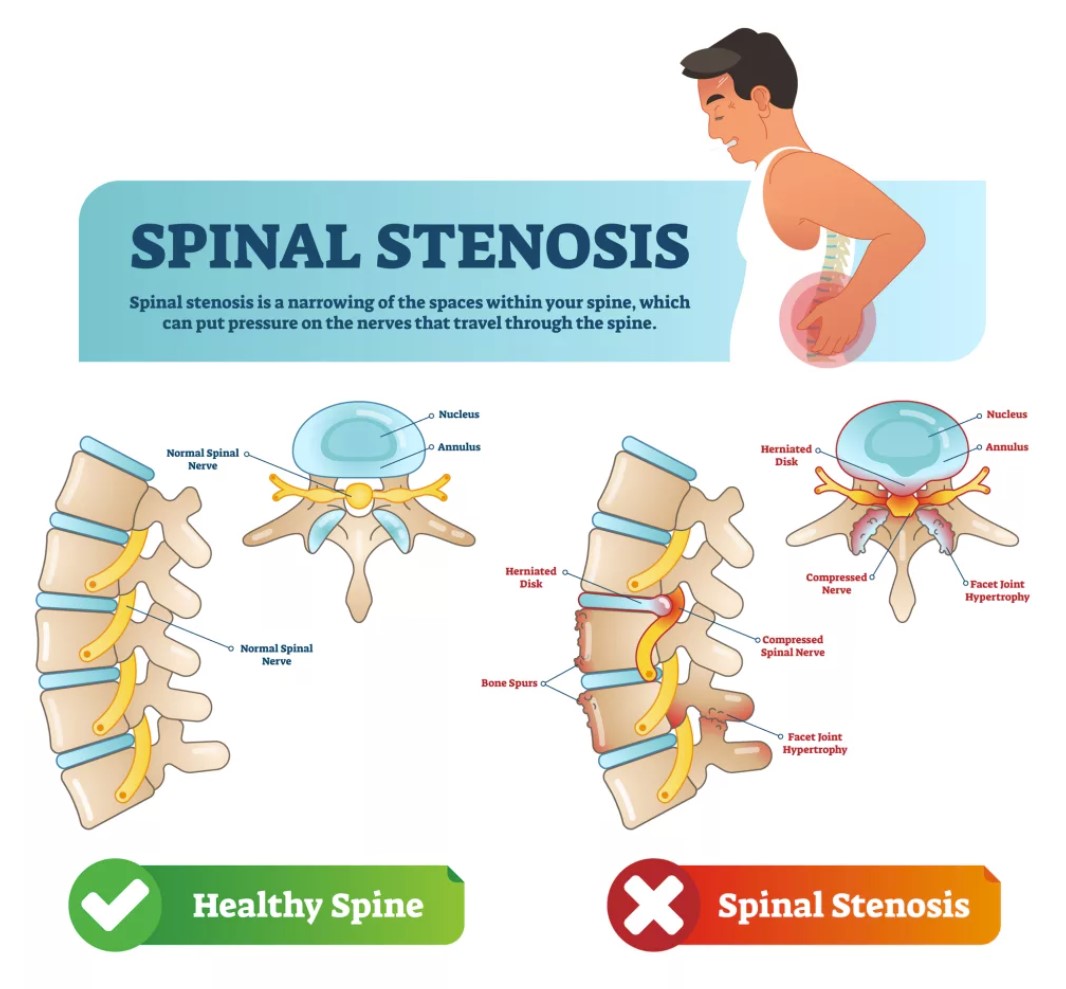
Spinal stenosis occurs when the spinal canal narrows, putting pressure on the spinal cord and nerves. This condition is more common in older adults and can cause lumbar spine pain, numbness, and weakness in the lower back and legs.
Symptoms:
-
Tingling or numbness in the legs
-
Pain that worsens when standing or walking
-
Relief when sitting or bending forward
Treatment:
-
Physical therapy and exercise to improve flexibility
-
Anti-inflammatory medications
-
In severe cases, surgical decompression
5. Poor Posture
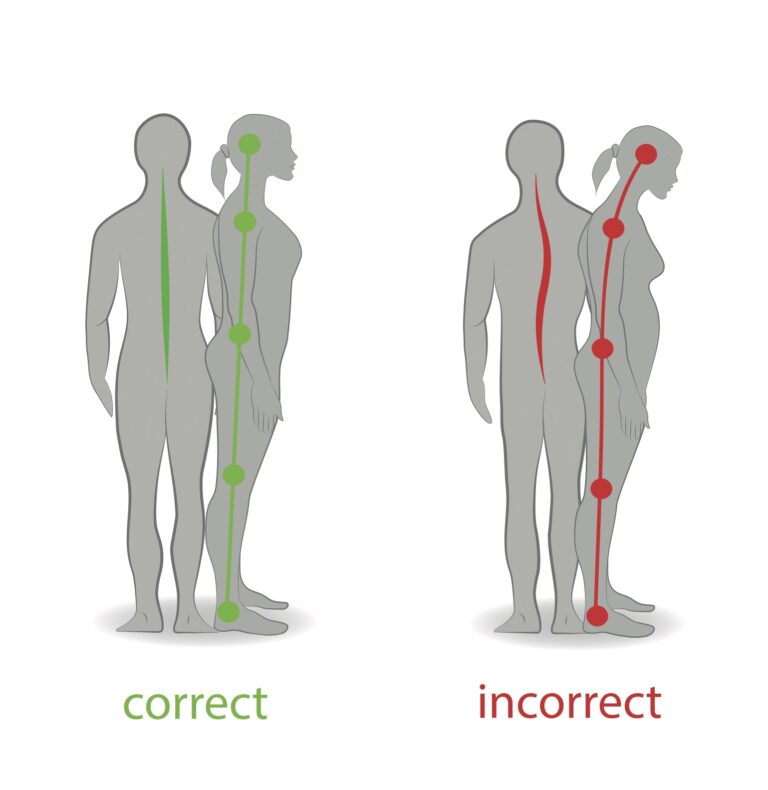
Spending long hours sitting at a desk or slouching can strain your back muscles and spine. Poor posture is a silent contributor to chronic lower back pain. Over time, it can lead to muscle imbalances, spinal misalignment, and discomfort.
Symptoms of posture-related back pain:
-
Dull ache along the spine
-
Fatigue in the back muscles
-
Pain that improves with stretching or movement
Prevention tips:
-
Use ergonomic chairs and desks
-
Maintain a neutral spine posture
-
Take breaks to stretch every hour
6. Osteoarthritis
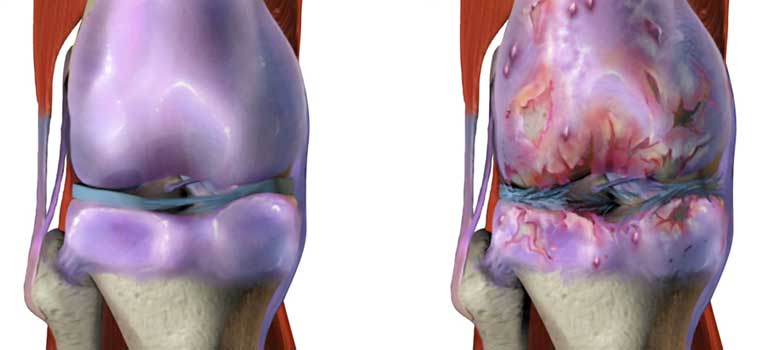
Osteoarthritis is a degenerative joint disease that affects the spinal joints, leading to inflammation, stiffness, and lower back pain. It typically develops with age but can also result from previous injuries.
Signs of osteoarthritis in the spine:
-
Chronic lower back pain, especially in the morning
-
Stiffness after inactivity
-
Limited range of motion in the spine
Treatment approaches:
-
Physical therapy and low-impact exercises
-
Pain-relieving medications
-
Lifestyle changes to reduce stress on the spine
7. Scoliosis
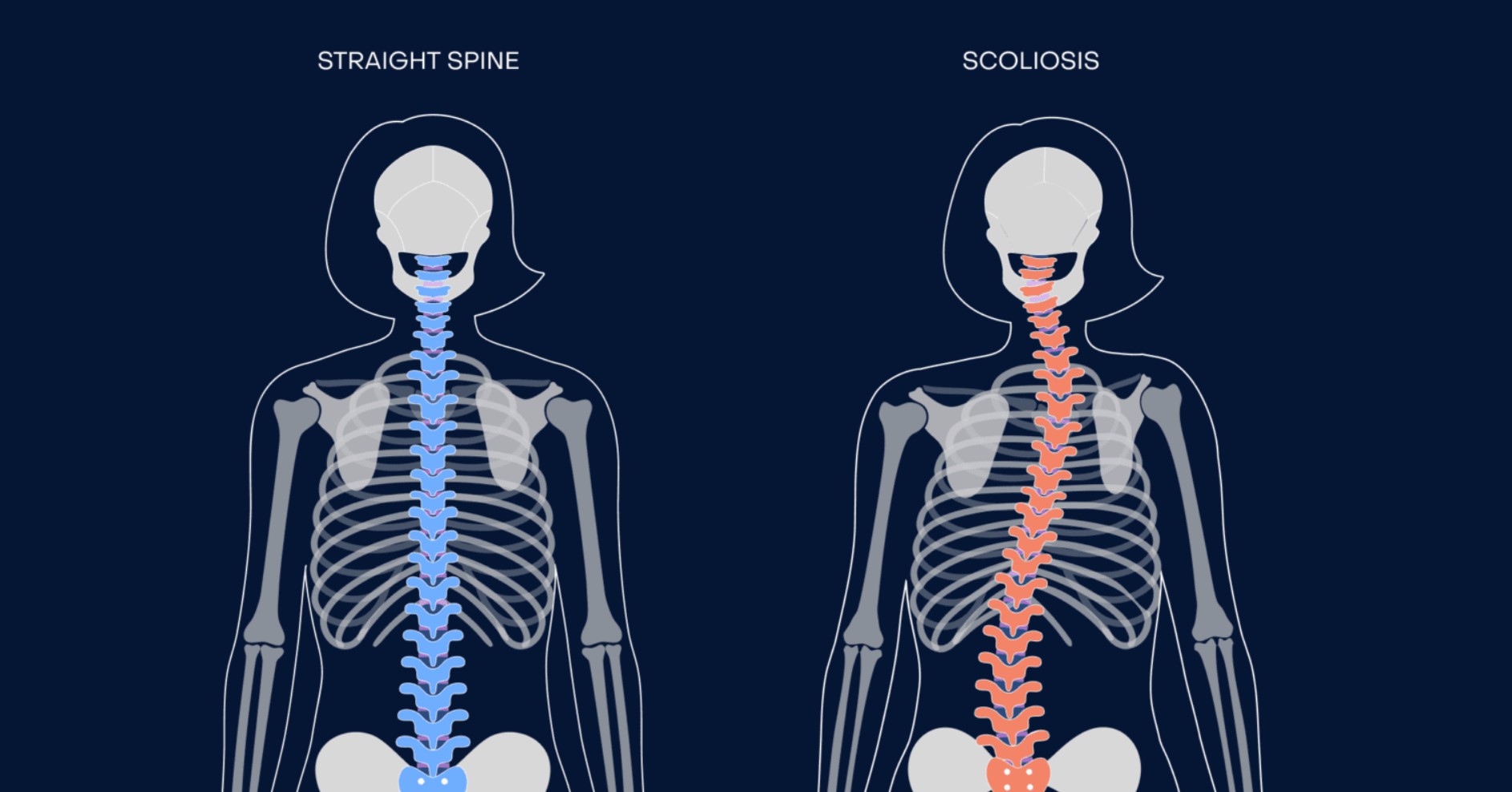
Scoliosis is a condition where the spine curves sideways. While many cases are mild, severe scoliosis can lead to chronic lower back pain and discomfort. Early detection and treatment are crucial to managing symptoms.
Symptoms:
-
Visible curvature of the spine
-
Uneven shoulders or hips
-
Pain or stiffness in the lower back
Treatment:
-
Bracing for growing children or adolescents
-
Physical therapy for posture and core strengthening
-
Surgery for severe cases
8. Sciatica
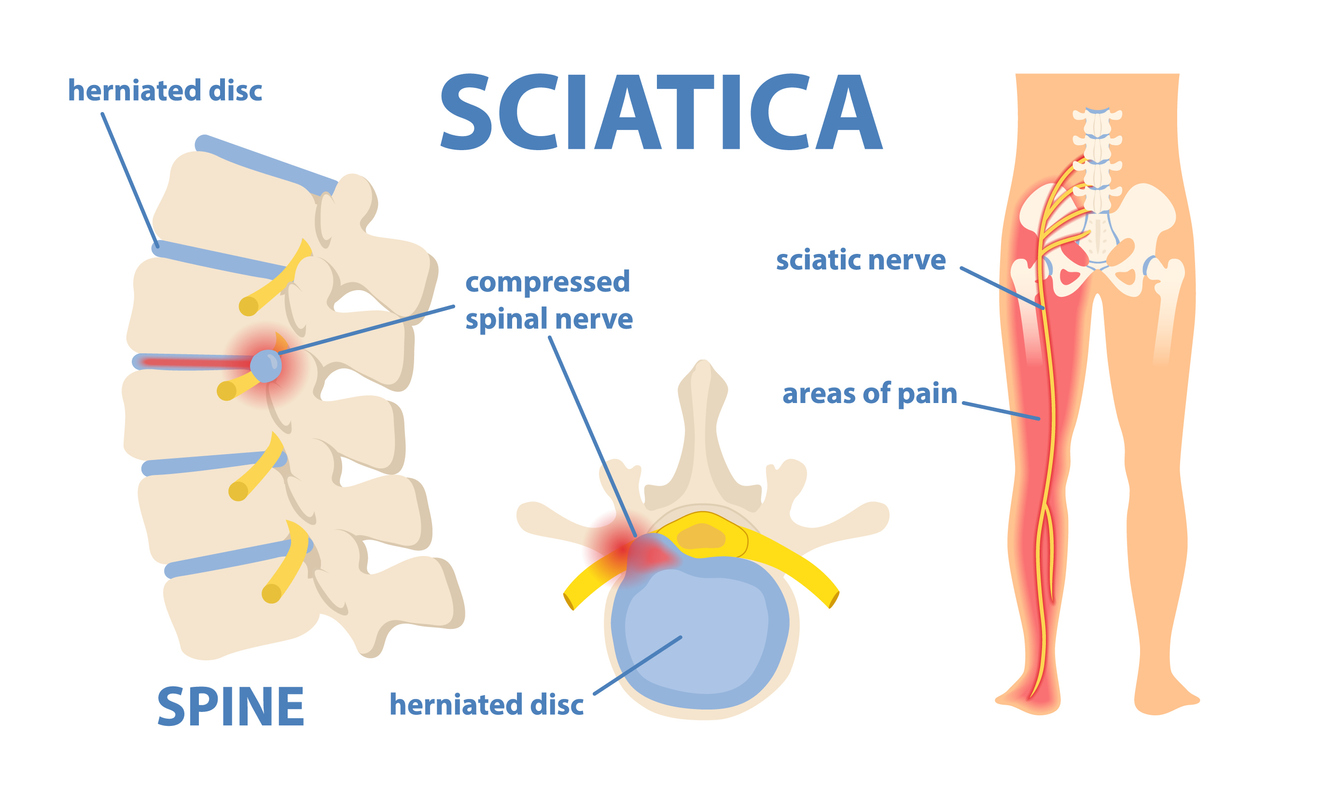
Sciatica is a symptom rather than a condition, caused by compression of the sciatic nerve. It often results from a herniated disc, spinal stenosis, or other spine-related issues.
Symptoms of sciatica:
-
Sharp, shooting pain from the lower back down the leg
-
Numbness or tingling in the leg or foot
-
Pain that worsens with sitting or standing for long periods
Treatment:
-
Physical therapy and stretching exercises
-
Anti-inflammatory medications
-
Injections or surgery in severe cases
9. Kidney Problems
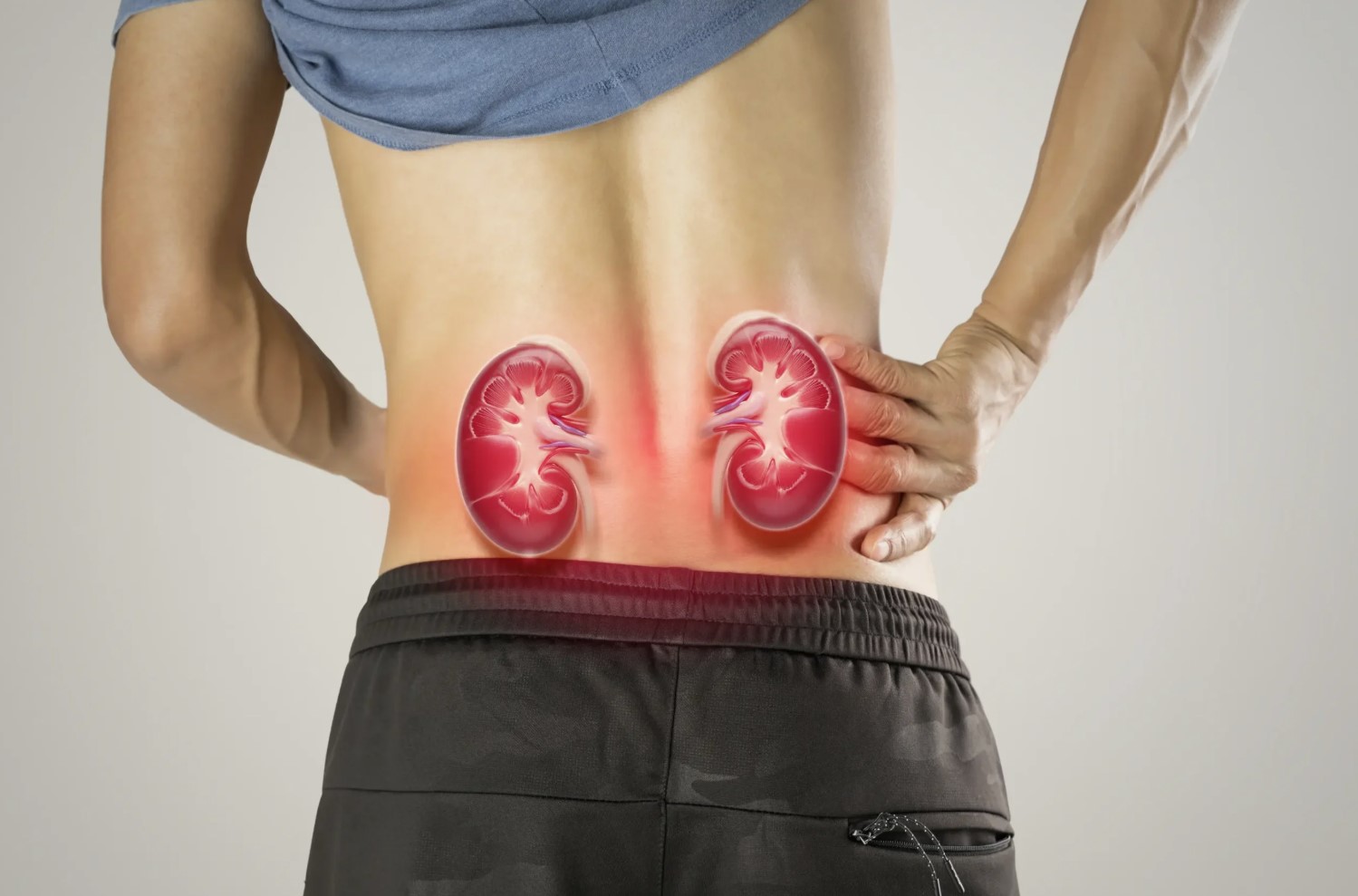
While most lower back pain originates from the spine, kidney issues can also cause pain in this area. Kidney stones or infections may present as pain in the flank or lower back, often accompanied by other symptoms.
Signs of kidney-related back pain:
-
Pain on one side of the lower back
-
Fever or urinary problems
-
Nausea or vomiting
When to seek help:
-
Persistent or severe pain
-
Blood in urine
-
Fever or chills
10. Sedentary Lifestyle
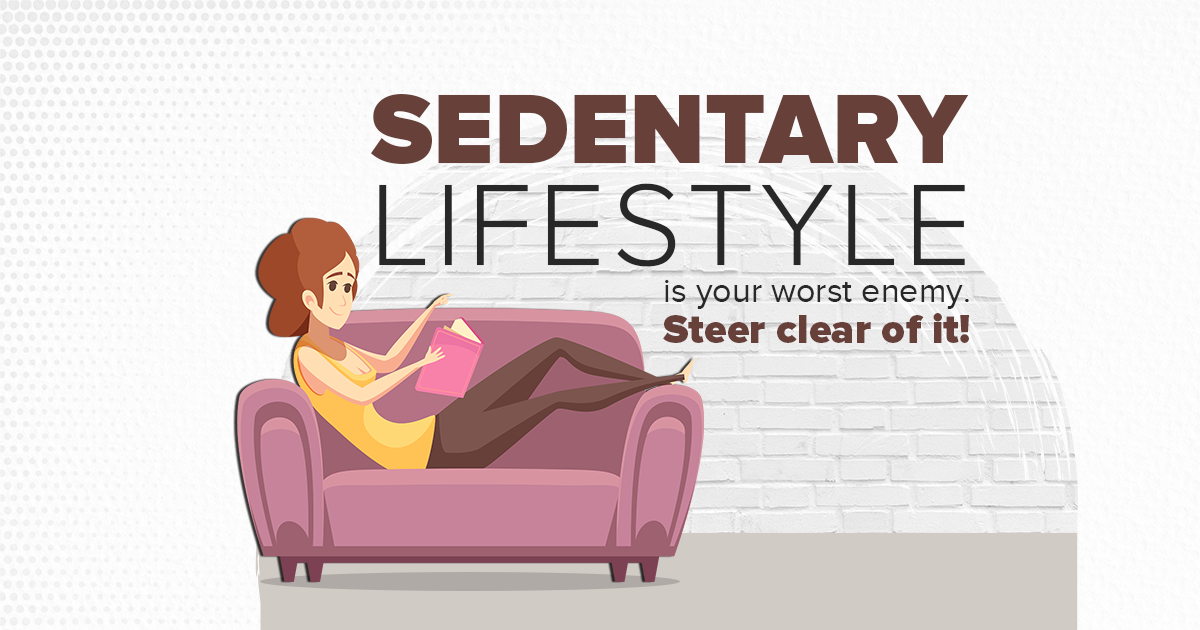
A sedentary lifestyle can weaken your core muscles, leading to poor spine support and lower back pain. Sitting for long periods without exercise is a common modern-day cause of back issues.
Symptoms:
-
Dull, aching pain in the lower back
-
Muscle stiffness
-
Pain that improves with movement
Prevention strategies:
-
Engage in regular exercise
-
Stretch your back and core muscles daily
-
Take short walking breaks during long periods of sitting
When to See a Doctor for Lower Back Pain?
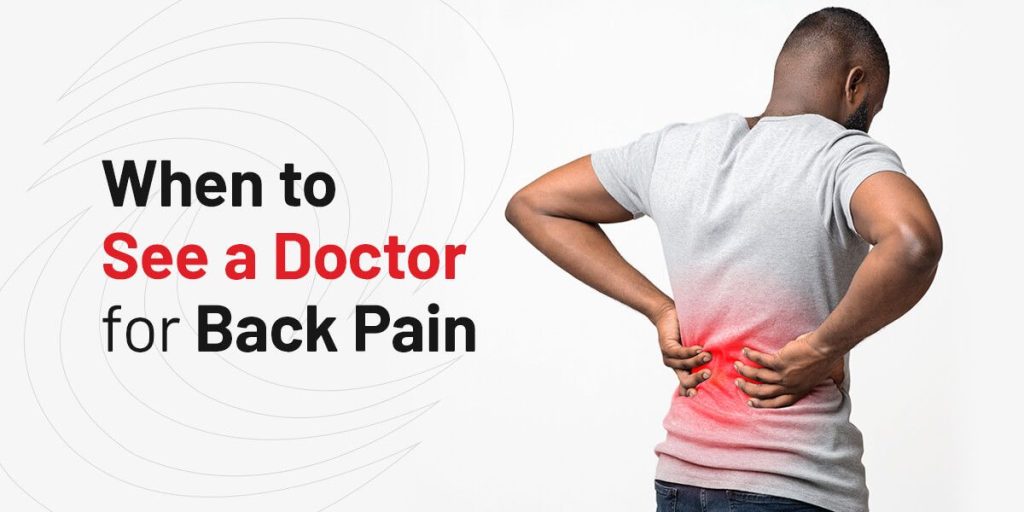
Lower back pain can sometimes signal a serious medical condition. Seek immediate medical attention if you experience:
-
Severe pain that does not improve with rest
-
Numbness, tingling, or weakness in your legs
-
Loss of bladder or bowel control
-
Fever or unexplained weight loss
At Spine and Injury Associates, our expert team provides comprehensive evaluation and personalized treatment plans to address the root cause of your lower back pain. From conservative care to advanced interventions, we help patients regain mobility and improve their quality of life.
Conclusion: Early Diagnosis Eases Lower Back Pain
Lower back pain is a multifactorial condition that can stem from muscle strain, spinal issues, lifestyle factors, or underlying medical conditions. Understanding the top 10 causes of lower back pain is the first step toward effective management and prevention. If you are experiencing persistent or severe lower back pain, don’t wait. Contact us to schedule a consultation with our specialists. Early diagnosis and personalized treatment can help you live a pain-free, active life.
How Spine and Injury Associates Can Help?
At Spine and Injury Associates, we understand how challenging female lower back discomfort can be – whether it’s related to pregnancy, endometriosis, sciatica, or everyday strain. Our experienced team offers a full range of services to relieve pain, restore movement, and prevent future injuries.
1. Personalized Evaluation
We start with a thorough consultation and examination to determine the root cause of your symptoms. Using advanced diagnostic tools, we tailor a treatment plan that suits your lifestyle and health goals.
2. Comprehensive Treatment Options
-
Chiropractic care to improve spinal alignment and reduce nerve pressure
-
Physical therapy and rehabilitation to strengthen muscles and enhance posture
-
Massage and soft-tissue therapy to release tension and improve flexibility
-
Pain management techniques for chronic or acute discomfort
3. Support for Women’s Unique Needs
Our providers are skilled in treating back pain related to pregnancy, postpartum recovery, and gynecological conditions. We also offer education on posture, ergonomics, and exercise to empower women to care for their spines at every stage of life.
4. Convenient Locations and Compassionate Care
With multiple clinics across Florida, Spine and Injury Associates makes it easy to receive expert care close to home. Our friendly staff focuses on creating a comfortable environment where every patient feels heard and supported. We want to make sure that every patient has a chance to get the care they need.
How to Find a Local Clinic for Lower Back Pain in Florida?

We have seven (7) offices throughout Central Florida as shared below:
- 7655 S Orange Blossom Trl. Orlando, FL 32809
- 280 S State Road 434 1049, Altamonte Springs, FL 32714
- 35894 US-27, Haines City, FL 33844
- 1910 James L Redman Pkwy. Plant City, FL 33563
- 1010 W Oak Street Kissimmee, FL 34741
- 9305 SE Maricamp Rd. Ocala, FL 34472
- 12670 New Brittany Blvd #201 Fort Myers, FL 33907
Ready to find relief from lower back pain? Contact Spine and Injury Associates today to schedule an appointment and start your journey toward a healthier, pain-free back.
CALL NOW +1-407-434-7246
[sc_fs_multi_faq headline-0=”h2″ question-0=”What is the biggest cause of lower back pain?” answer-0=”Most often, low back pain is the result of an injury, such as a muscle sprain or strain caused by sudden movements, playing sports, or poor body mechanics while shoveling snow or lifting heavy objects. These injuries affect what are termed soft tissues: muscles, ligaments, and tendons.” image-0=”” headline-1=”h2″ question-1=”What causes lower back pain just above the buttocks?” answer-1=”This could be a sign that you have sciatica, a form of pain that affects the sciatic nerve, which runs from the lower back and through the buttocks before branching down each leg. This condition usually results from a herniated disk. A doctor will be able to offer a variety of ways that you can relieve this pain.” image-1=”” headline-2=”h2″ question-2=”What age does lower back pain start?” answer-2=”Back pain is more common with age, starting around age 30 or 40. Lack of exercise. Weak, unused muscles in the back and abdomen might lead to back pain.” image-2=”” count=”3″ html=”true” css_class=””]